Maximizing Revenue Through Cross-Selling Opportunities in the Accounting Industry
Growth-oriented accounting firms are discarding the silo-method of selling and increasingly looking at the client as a whole to grow revenue. One effective strategy that can significantly increase a firm’s revenue while adding value to clients’ financial experiences is cross-selling. But how can accounting firms harness this strategy effectively? Furthermore, what tools can marketing provide for firms to be successful?
Why Utilize a Cross-Selling Strategy?
Cross-selling involves offering complementary services to existing clients based on their current needs and financial goals. Unlike the silo-method, it requires the firm to approach the client’s business as a team, identifying specific areas where a firm can add value. For example, if a client uses the firm for tax preparation, the accountant could suggest additional services like financial planning, payroll services, or business consulting that would benefit the client. This not only helps increase revenue but also allows firms to become trusted, one-stop financial advisors.
However, if a firm offers a wide variety of more complex solutions such as SOC, HITRUST, FAR Overhead Audits and others, the team may not be able to accurately assess whether these solutions are appropriate. By creating a quick reference guide, along with other tools, marketing can help the client service team ask questions to determine whether a current client would benefit from other solutions the firm has to offer.
Building a Cross-Selling Strategy for Your Firm
To effectively implement a cross-selling program, firms should follow a few strategic steps:
- Understand Your Clients’ Needs: Build strong relationships with clients and regularly assess their financial situation. By understanding their goals, challenges, and growth plans, you can identify opportunities where additional services may be beneficial.
- Train Your Team: Cross-selling is most effective when the entire team is aligned. Make sure accountants are trained to recognize cross-selling opportunities and understand the firm’s full range of services.
- Leverage Technology: Utilize client relationship management (CRM) software to track client information, identify trends, and create targeted service recommendations. Automation tools can help notify your team when a client is due for a financial review, making it easier to offer additional services at the right time.
- Communicate the Value: When cross-selling, always focus on the value that the additional services bring to the client. Whether it’s tax savings, business efficiency, or long-term financial growth, make sure the client understands how your services will help them reach their goals more effectively.
Tools to Implement a Successful Cross-Selling Strategy
To be successful, it is vital that the marketing department provides the tools and the training to support the client service teams in cross-selling activities.
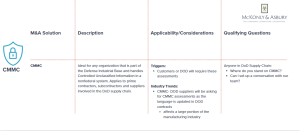
Cross-Selling Quick Guide (snippet above): This booklet can be laid out as a simple grid with Industry Services listed vertically on the side and applicable qualifiers across the top. The qualifiers can include:
- a brief overview of the solution
- a list of triggers that would require the client to engage in this service (i.e. regulation changes, over 100+ employees, etc.)
- three qualifying questions to determine if the service is relevant
- short description of how the solution can benefit the client
Based on client discussions, team members can select which service may be appropriate and review the list of triggers and qualifying questions with the client. If it appears the solution could be a fit for the client, a follow-up conversation should be set up with a member of the solutions team to discuss the opportunities available to the client.
- Lunch and Learns: Offering training on the firm’s solutions is another tool to educate employees who interact with clients on a regular basis. Hearing from the industry/solutions expert provides staff members with an opportunity to ask questions, understand solutions on a deeper level, and provide added value to the clients. Furthermore, these trainings can be recorded and made accessible to the firm as a reference tool for employees.
- Growth Meetings: Hold recurring growth meetings to review the pipeline as well as marketing initiatives. This platform provides an optimal time to celebrate cross-selling wins. It is important to share the different steps in the cross-selling process, especially the moment the opportunity was triggered, so others on the call can use a similar strategy at the next client opportunity. Additionally, sharing the results of that opportunity, in terms of revenue generated and client satisfaction, helps to solidify the importance of cross-selling as a best practice.
- CRM Integration: Utilizing a CRM system in cross-selling is essential. Most CRMs allow for customized information on company records, including secondary owners, cross-selling targets, and more. Using these unique identifiers, firms can create a dashboard that captures the cross-selling targets in one place, allowing teams to plan, execute, and review identified opportunities.
The Benefits of Cross-Selling
Cross-selling provides significant benefits to firms, including:
- Increased Revenue: Offering additional services to existing clients is more cost-effective than acquiring new clients, driving up revenue per client.
- Stronger Client Relationships: By providing more comprehensive services, firms deepen relationships with their clients, moving beyond vendors into long-term trusted advisors who rely on your firm for all their business insights and connections.
- Improved Client Satisfaction: Clients appreciate personalized services that are tailored to their specific needs. Cross-selling allows firms to provide holistic financial solutions that create a better overall client experience.
- Client Relationship Protection: If your firm is not discussing these solutions and services with clients, someone else’s firm is. By talking to clients about the issues and opportunities before them, and how the firm’s professionals and resources can help, competitors are not afforded an opportunity to open the door.
- Mistake Insurance: Mistakes happen. Clients who use a firm for multiple solutions increase the likelihood they will stay with that firm after an error is made. When a firm can point to 3 or 4 areas where you have helped a client protect or build the value of the client, the likelihood that one mistake will nullify the relationship is lessened. At the very least, it may garner enough goodwill that a client will give the relationship one more chance to get it right.
Cross-selling is a powerful tool that can boost revenue and create stronger, more trusted relationships with clients. By understanding your clients’ needs, offering relevant services, and training your team to seize opportunities, you can transform cross-selling from a sales tactic into a long-term strategy that benefits both your clients and your firm. Take the time to evaluate how you can integrate cross-selling into your service offerings, and watch your firm thrive.